

I spend most of my passing moments thinking about the next place I want to go. There’s something so uniquely satisfying about having things to look forward to. More than that, travel breaks patterns and forces you into new and unexpected places. And for me, that’s the heart of the pleasure.
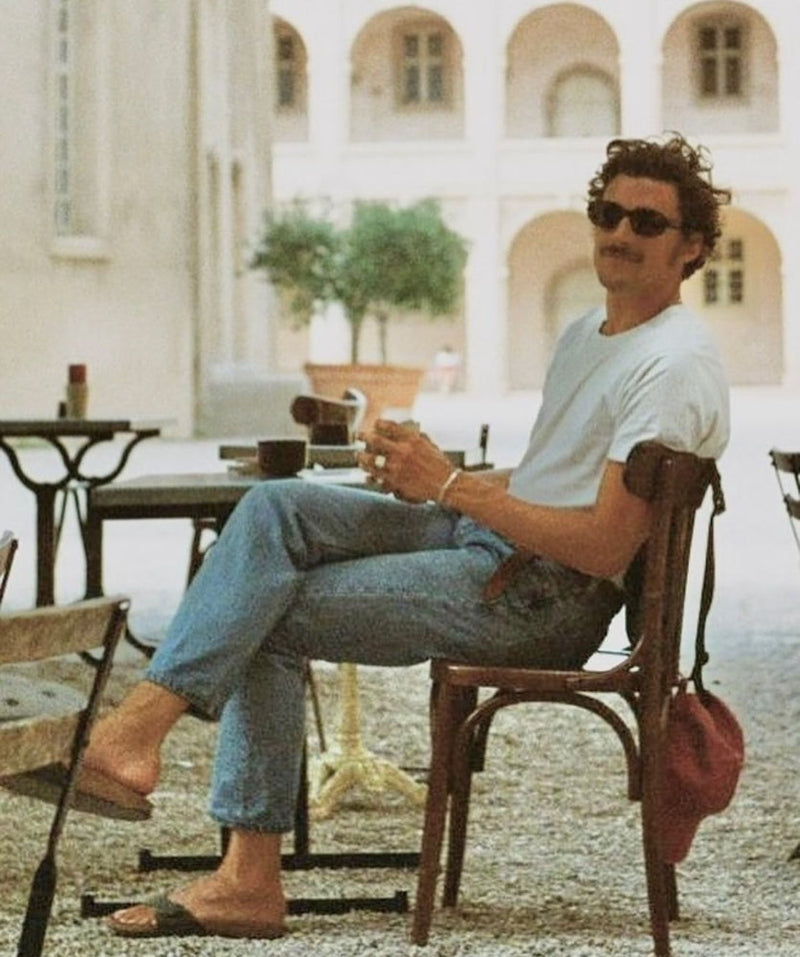
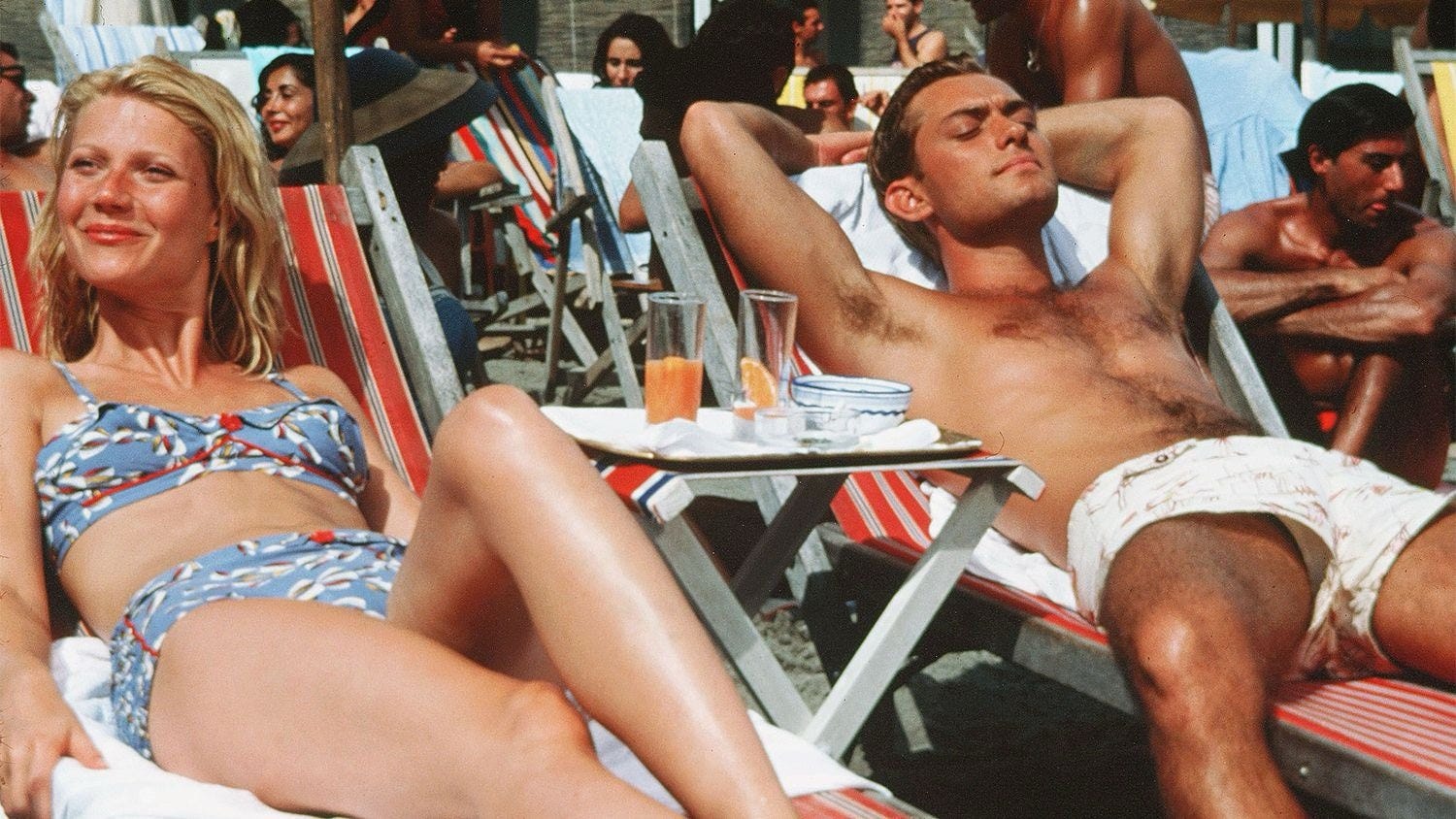
As I write this, I have recently returned from a week in Italy. The idea of Italy has long existed in my imagination as the platonic ideal of summer. It doesn’t take much for my mind to drift to the alluring aimlessness of Dickie Greenleaf in “The Talented Mr. Ripley.”
Though much of this boils down to cultural fantasy, I have a new appreciation for, and understanding of, what makes Italy occupy an oversized place in my consciousness.
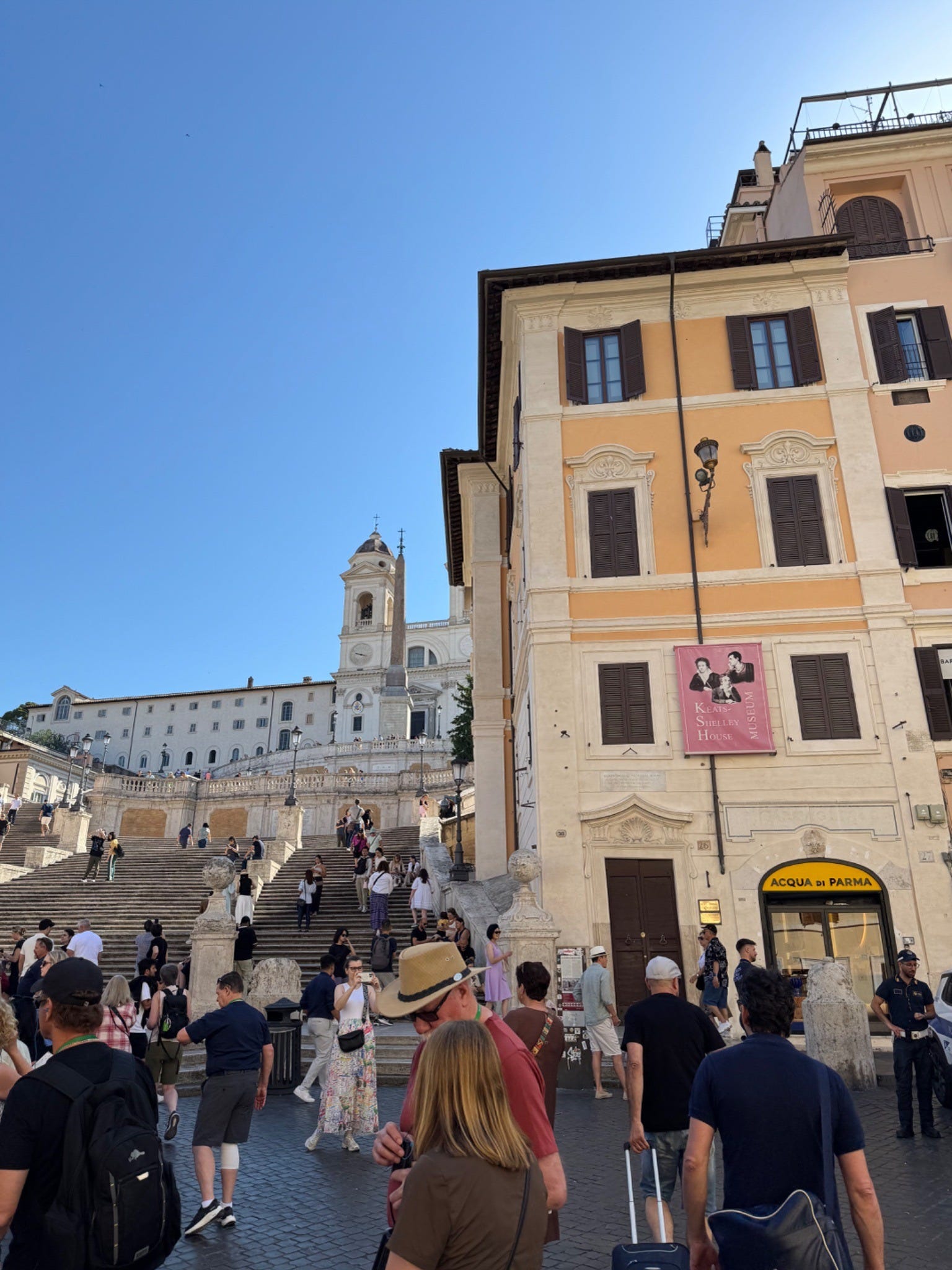
While in Rome, I made time to stop into Keats-Shelley House right at the foot of the Spanish Steps. This is the exact place where John Keats died in 1821 at the age of 25.
I could go on and on about why I love Keats. You were probably forced to read his odes at some point (I promise they’re worth returning to with fresh eyes), but you may not have heard of the phrase “negative capability” that he coined in an 1817 letter to his brothers.
In the letter, he’s trying to describe what it is that makes great writers like Shakespeare truly great. He eventually goes on to ascribe the talent to the ability to exist “ in uncertainties, mysteries, doubts, without any irritable reaching after fact and reason.” I want us to keep thinking about this idea of avoiding “any irritable reaching after fact and reason” and consider how it might be contrary to the very way we exist.
Dwelling in experience goes on to play a key role in the aesthetic theory of the nineteenth century, culminating in a movement towards “art for art’s sake”—the belief that art holds intrinsic value in itself without needing to serve a higher moral, political, didactic, or utilitarian purpose.
I bring all of this up because I think it’s exactly this frame of mind that leads to the excellence we identify in Italian products and culture. The Italy I encountered seemed more comfortable with things themselves in a way that felt foreign to me as an American, accustomed as we are to grasping for purpose, process, and efficiency.
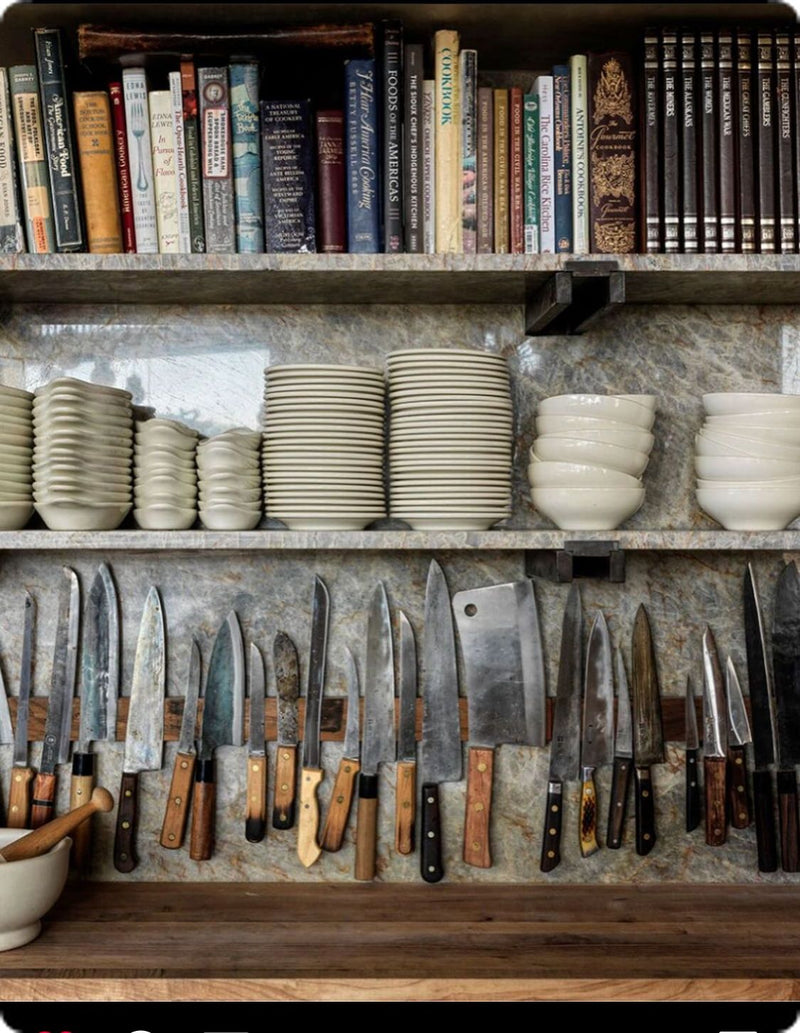
For example, how often do you cook just to cook? Maybe you haven’t thought much about it, but so often we cook with some ulterior motive: protein goals, weight loss, convenience, efficiency. It’s far rarer to say I want to make the most delicious pasta dish just for it to be delicious.
In some ways, approaching food as food almost feels indulgent, as if it’s a kind of subversive pleasure that needs to be earned. The more I think about it, the more I’m struck by the way we don’t often make room for pleasures in our daily life.
We swap aperitivo for networking, replace home cooking with quick service concepts, opt to order online instead of shopping in person, and in doing so, we remove ourselves from experiencing many of the things that make life worth living.
Our culture has attuned us to thinking about all the choices we make through the lens of valuation. That might make sense in the office, but when we’re not on the clock it can lead to a sea of utilitarian monotony.
At least in the conversations I had, people seemed less preoccupied with improvement for improvement’s sake. They weren’t trying to do things faster. Instead, there was a deep connection to the past and a commitment to preserving it in the present. What struck me most was how rarely the future entered the conversation at all.
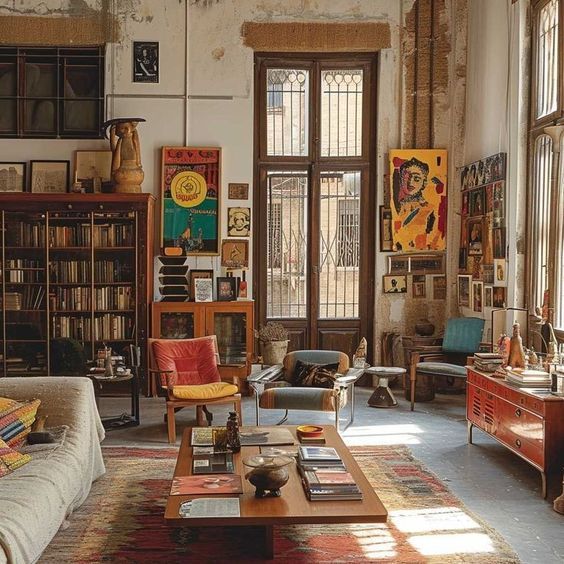
I found myself surrounded by small moments of beauty that seemed to exist for no reason beyond themselves.
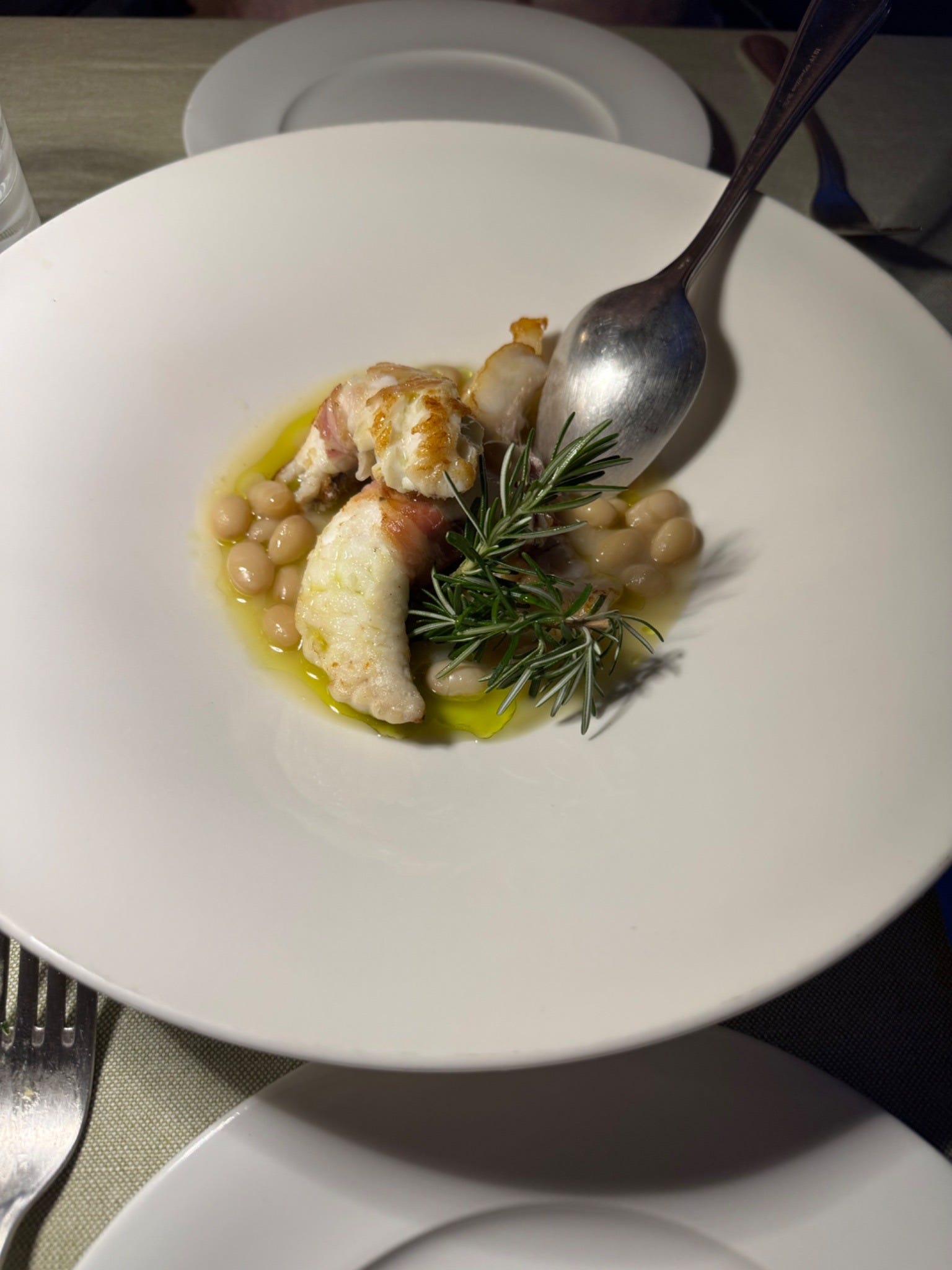
To bring it back to Keats, we ought to find ways to resist “any irritable reaching after fact and reason.” Grab that fresh thyme because it does make all the difference or buy a linen shirt that you love just because it’s beautiful. Try not to think about knock-on effects and make room for joy. It might just surprise you.
