

Hello Outpost readers, Emma here. I am writing to you from a cafe in Amsterdam and was starting to get dreadfully lonely, so thank you for joining me. Take a glass and have a seat.
Last year, I moved to Europe knowing exactly one person, and he was my realtor. While that was certainly helpful for finding lodging, I figured picking up a hobby would be a good way to meet other locals who are not attached to me by contract, so I signed myself up for an eight week wine course through the Amsterdam Wine Academy. The course consisted of 24 hours of classroom time with extensive tastings, and at the end, the chance to earn my WSET II certification.
While I do not foresee myself working as a sommelier, I’d love to start a wine club, continue to spend way too much money importing wines, and host tastings for my friends. I included some of my favorite traditional, natural and sparking wines (mostly white) below, along with some fun facts I picked up in my course.
Tchin-tchin!
Tips on Food & Wine Pairings:
Red Meat: Pair with a high-tannin red wine like Cabernet Sauvignon, because the proteins and fats in the meat soften the wine’s dryness while amplifying its rich fruit flavors.
Sweets: Pair with a dessert wine that is sweeter than the food itself, such as a Sauternes or late harvest Riesling, to prevent the wine from tasting unpleasantly bitter, thin, and stripped of fruit.
Cheese & Dried Meat: Pair with a high acid, versatile wine like a dry sparkling wine or a medium bodied red like Chianti, which cuts through the heavy fat and balances the saltiness of cured meats and cheeses.
Fish: Pair with a crisp, high acid white wine like a dry Sauvignon Blanc or Albariño, which brightens the flavors of the fish and cuts through any oiliness.
Other Tips:
If a wine is sealed with a cork: then it should be stored on its side, this ensures the cork remains in contact with the wine and stays moist.
Don’t fear the screw cap: A screw cap does not mean the wine is cheap or low quality. Modern screw caps are actually preferred for crisp white wines and vibrant, youthful reds.
Look for a specific region, not just a country on the label: As a general rule, the more specific the label is about where the grapes were grown, the higher the quality standard. A bottle that says “Napa Valley” or “Mendoza” will almost always be higher quality than a bottle that just says “California” or “Argentina.”
Chablis is 100% Chardonnay and Sancerre is 100% Sauvignon Blanc: European wines are named after the region they come from rather than the grape variety. Chablis and Sancerre are both regions in France. Chablis is world-famous for being the crispest, purest, and most mineral-driven expression of Chardonnay. Sancerre is famous for being the most dry, vibrant, and mineral-driven expression of Sauvignon Blanc.
Champagne labeling: The biggest trap is that bottles labeled “Dry” can actually be sweet. If you want a dry glass of Champagne, you should always look for a bottle labeled Brut.
My Top 10 Wines right now (my favorite is the Terroir de Chablis):
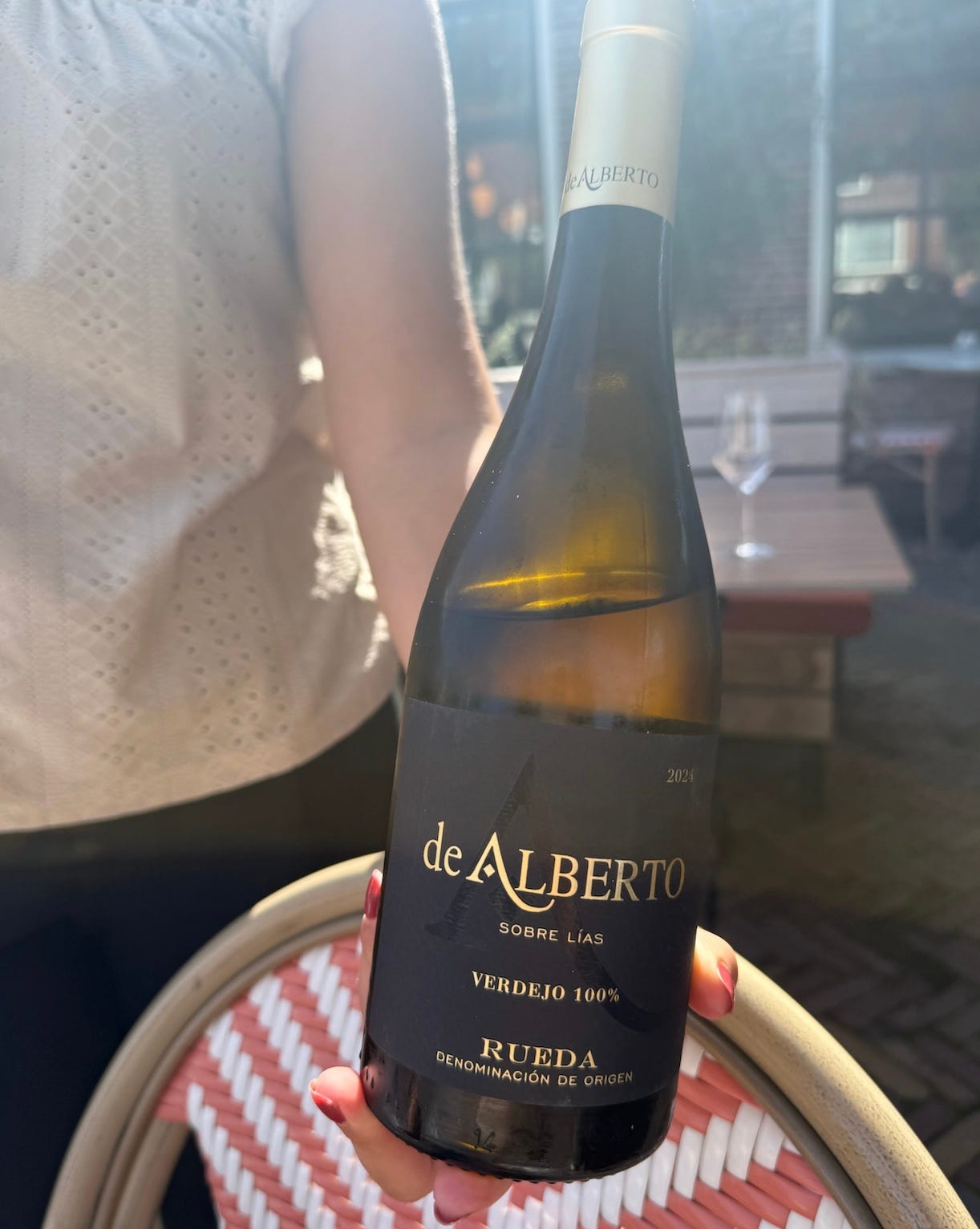
White: Verdejo from Rueda, Spain (crisp & citrus-forward white): It’s aged on its yeast starter to give it a smooth texture, resulting in a bright white wine with fresh citrus and green apple flavors—perfect with grilled fish or light tapas.
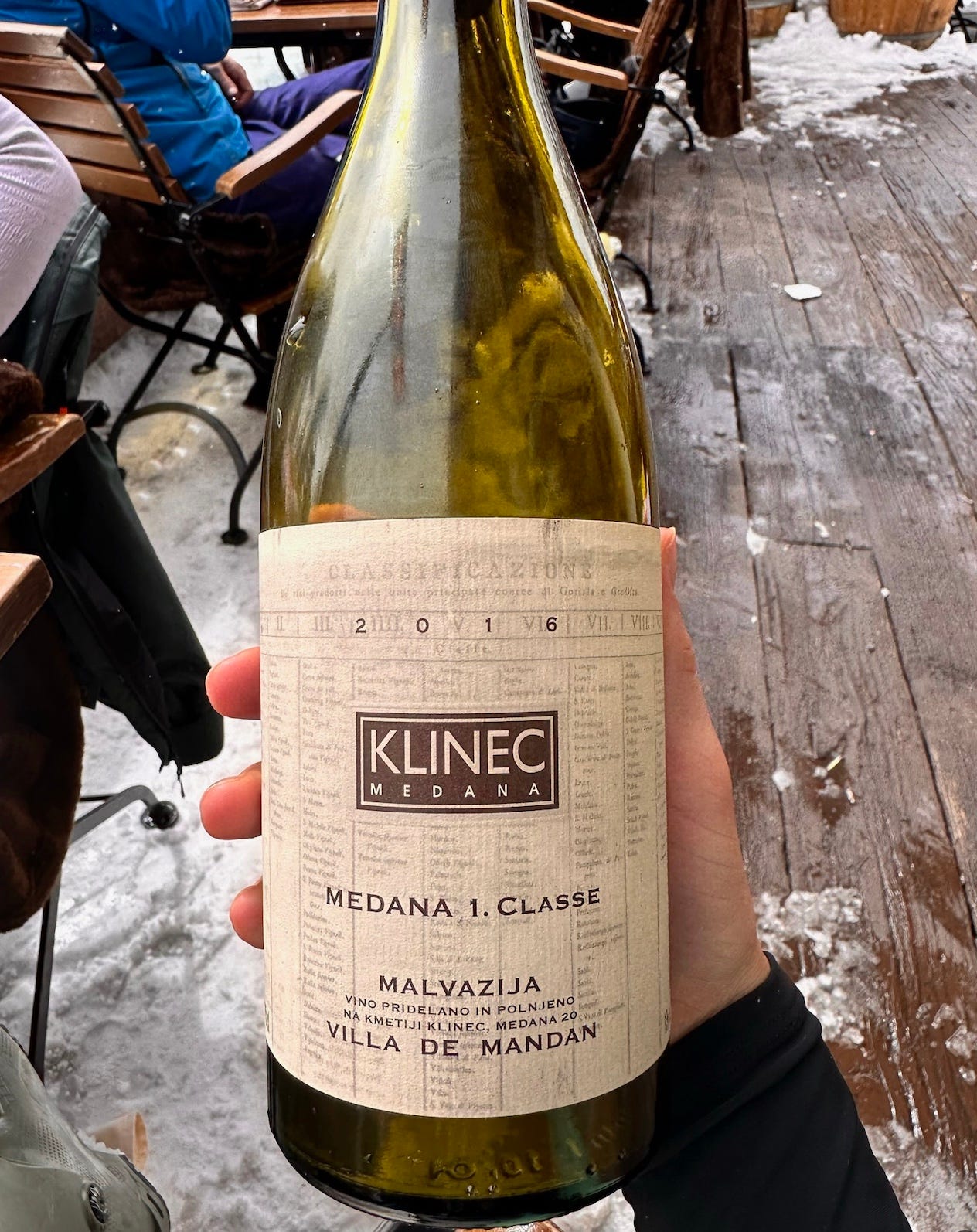
Orange: Malvazija from Brda, Slovenia (aromatic & mineral-driven). This is from Klinec, a natural winemaker in Slovenia, right on the border of Italy. Notes include dried stone fruits, honeyed citrus, and wild herbs.
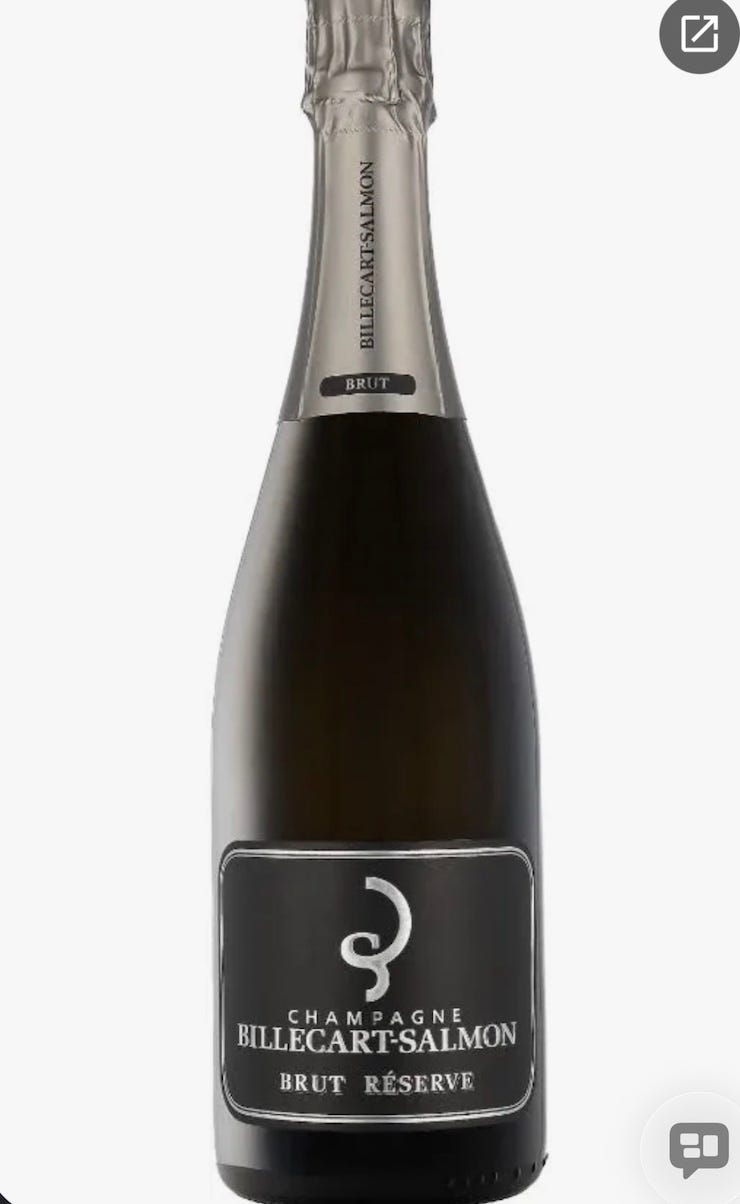
Champagne: from Champagne, France (crisp & brioche-forward sparkling). Billecart-Salmon is one of the most prestigious, family-owned Champagne houses in the world.
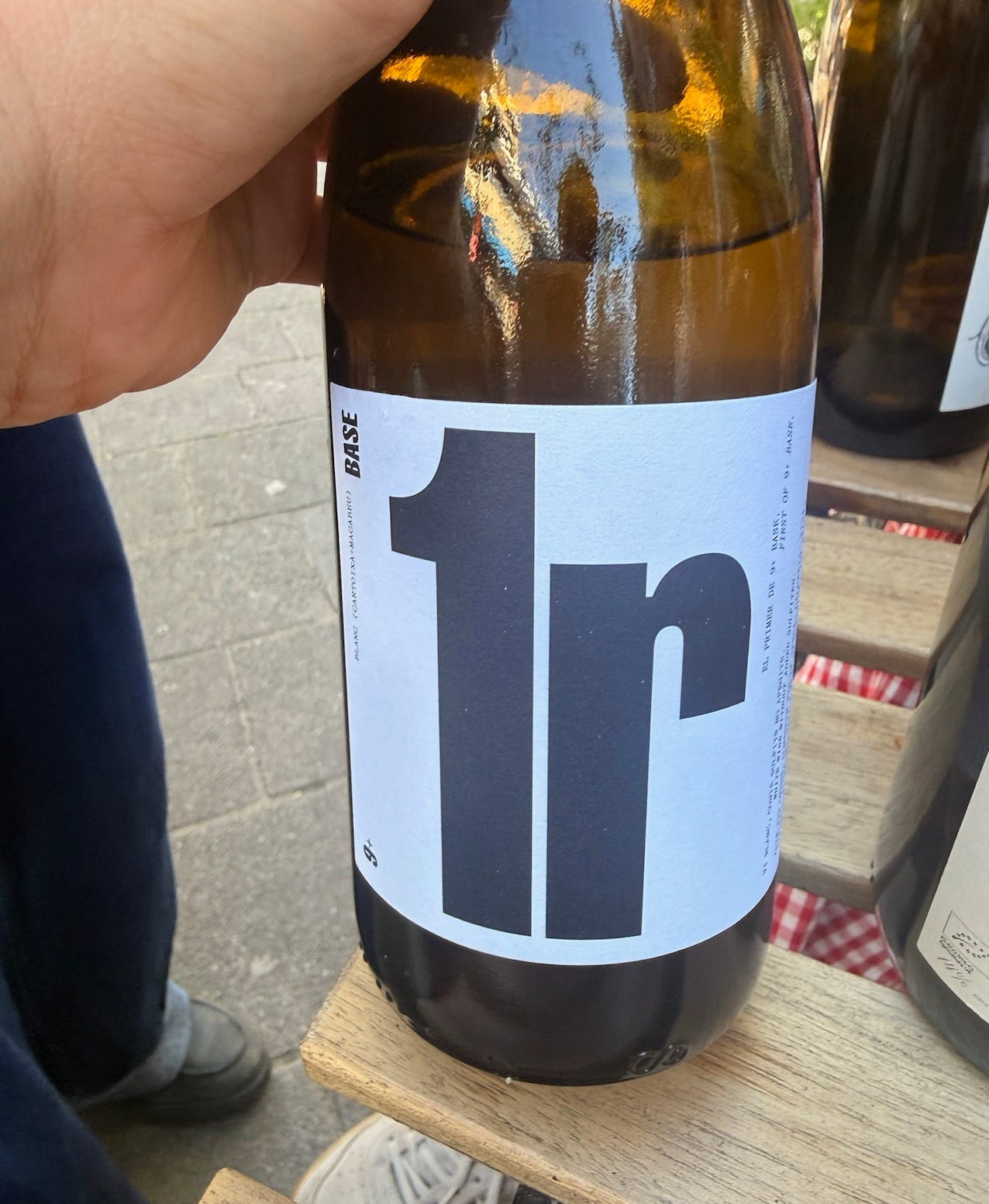
Natural white: Cartoixà and Macabeu blend from Catalunya, Spain (vibrant, saline & peach-forward natural white). Celler 9+ is a highly respected, zero-sulfur natural winery located in a small village near the Mediterranean coast in Tarragona, Spain.
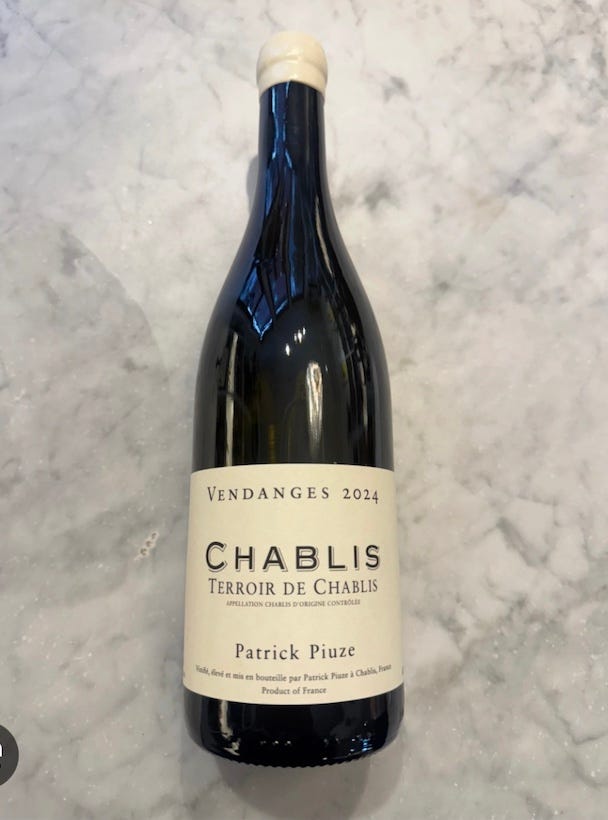
White: Chablis (crisp & citrus-forward classic white): This is the “Terroir de Chablis” made by Patrick Piuze, a winemaker in Burgundy. It’s bursting with fresh green apple, lemon zest, and a clean, stony finish.
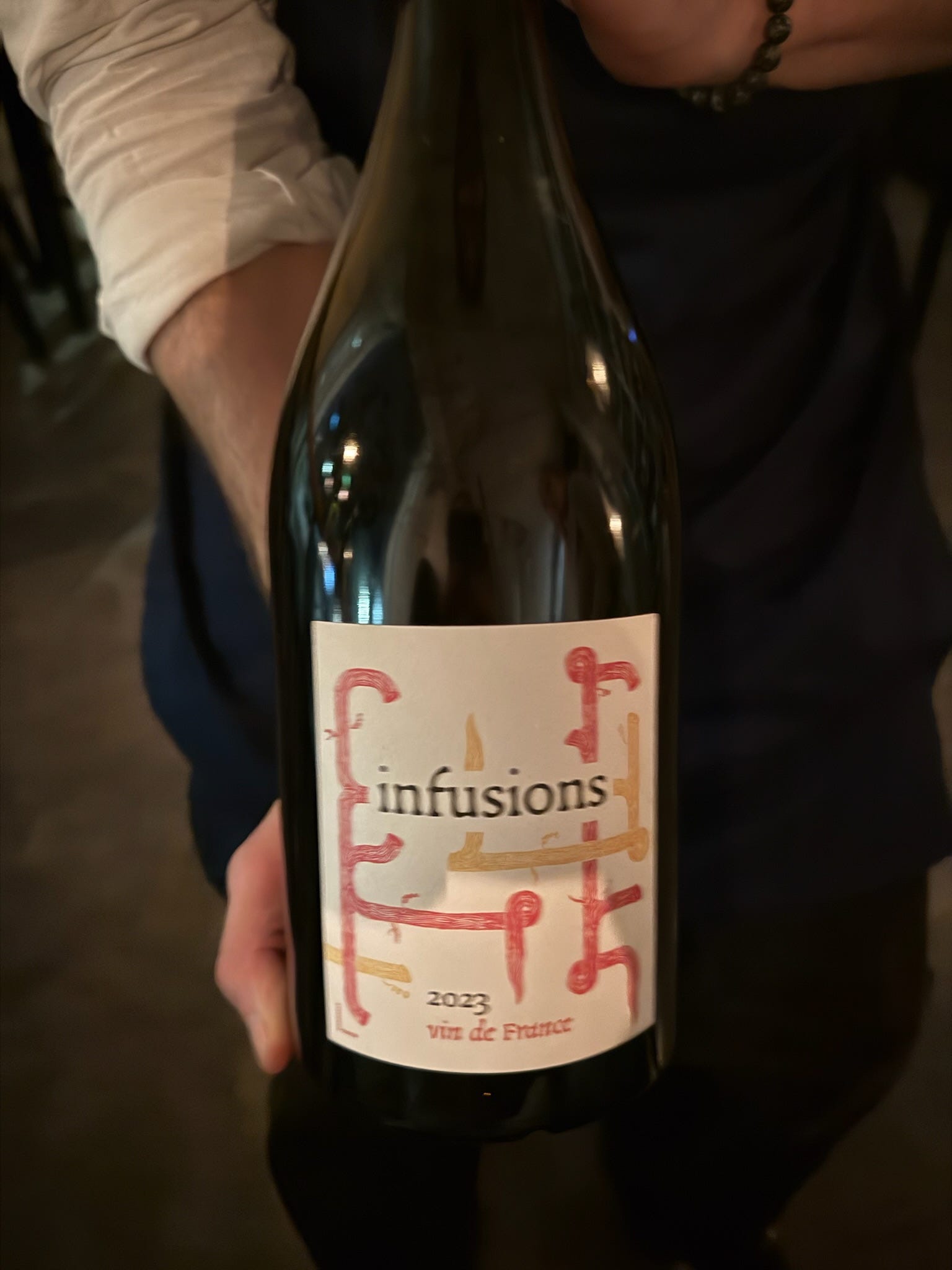
Natural Red: Gamay blend from the Loire Valley, France (light, juicy & berry-forward): A super-light, refreshing red that tastes like wild strawberries and fresh herbs. Perfect when served with a slight chill.
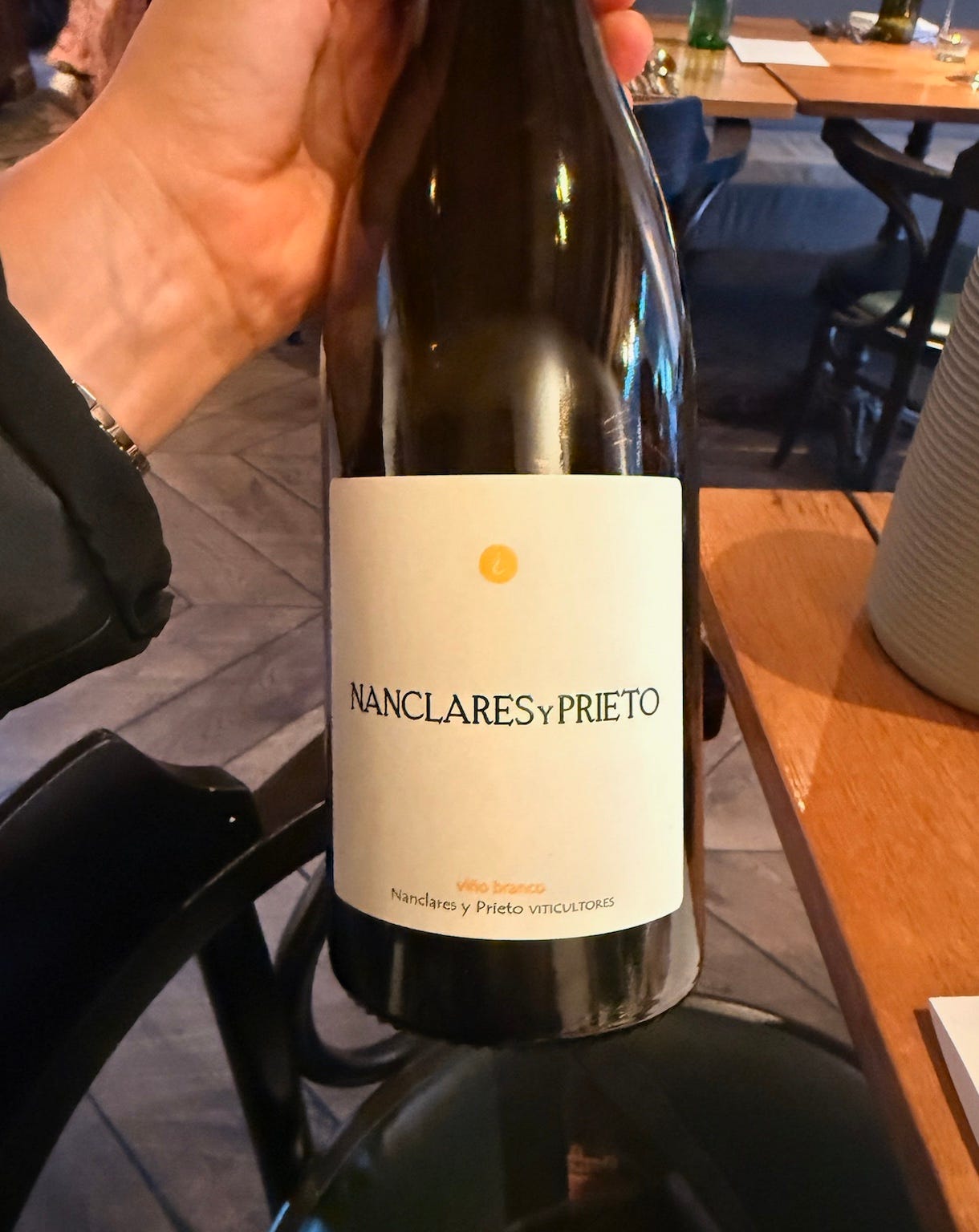
White: Albariño from Rías Baixas, Spain (crisp, saline & peach-forward crisp white): Made by a small team on the Spanish coast, it tastes like a squeeze of fresh lime with a hint of salt, it’s super refreshing and amazing with seafood.
White: Mauzac and Muscadelle blend from South West France (crisp & citrus-forward white): It’s a bright, easy-drinking white with fresh citrus flavors and a clean finish, perfect on its own or with grilled fish.
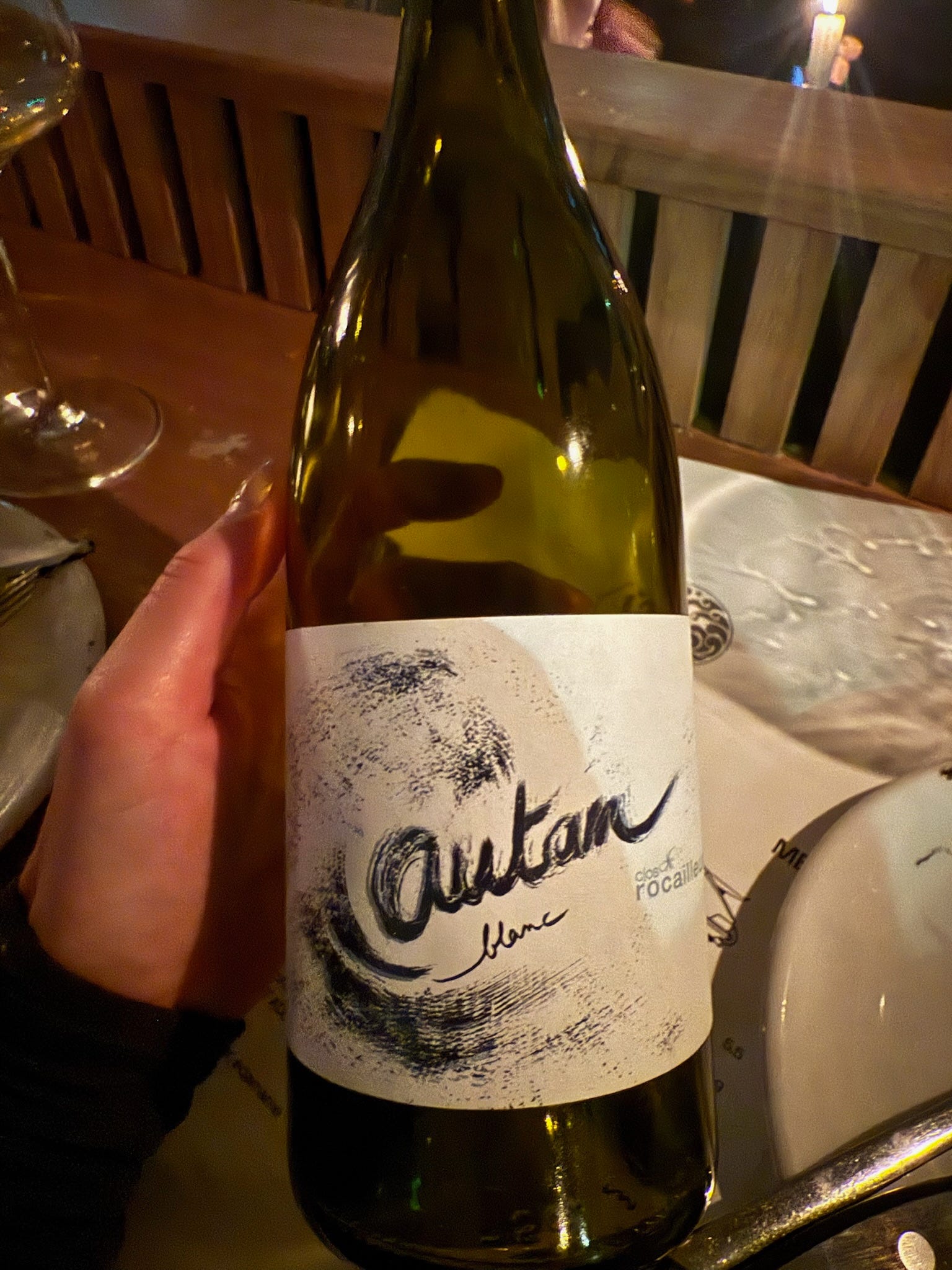
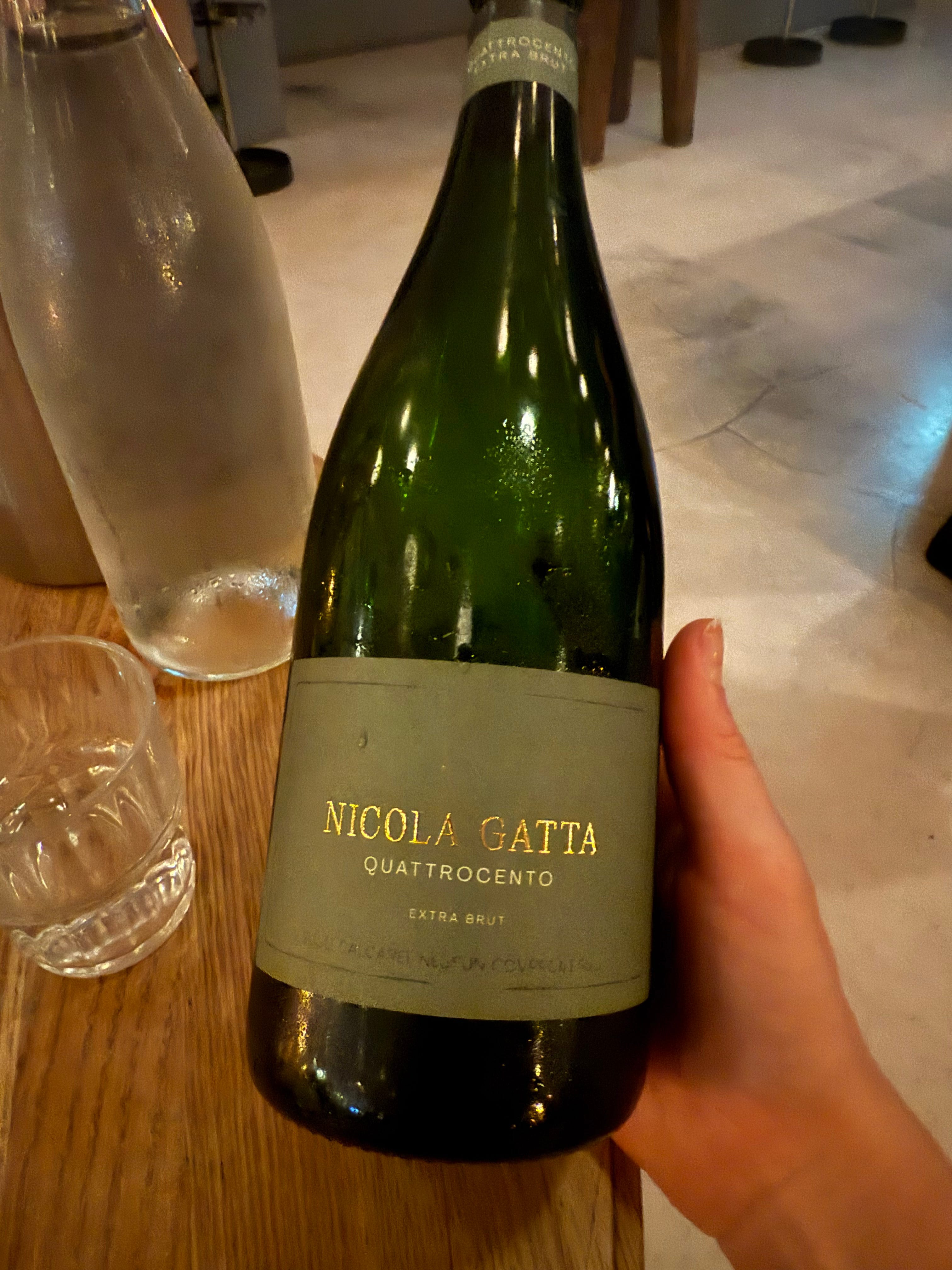
Sparkling White: Chardonnay and Pinot Noir blend from Lombardy, Italy (bubbly & citrus-forward): It has crisp bubbles with fresh lemon and toasted notes—super nice on its own or with fried seafood.
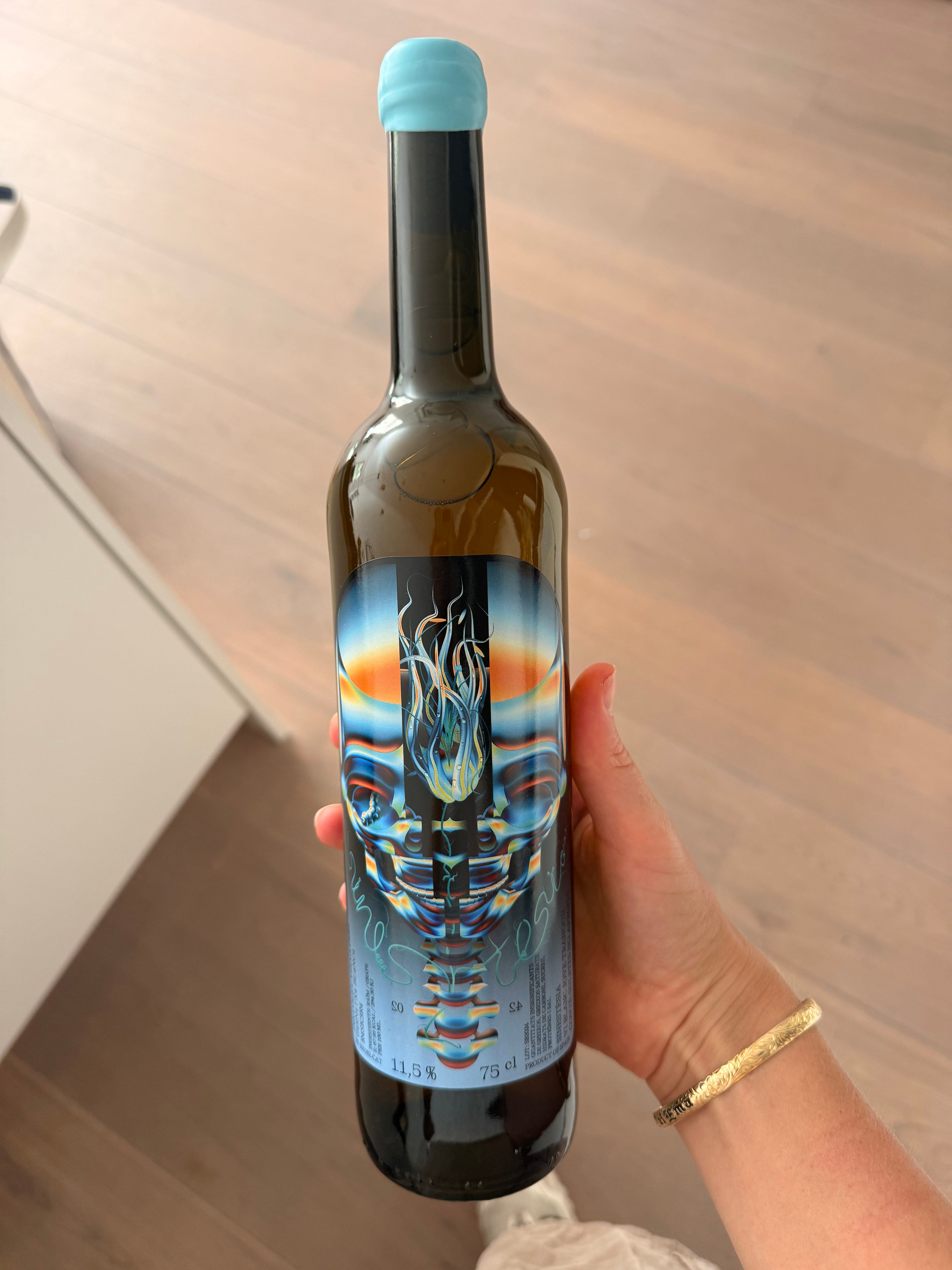
Natural white: Trebbiano Spoletino from Umbria, Italy (crisp, vibrant & citrus-forward): This is made by a tiny natural winery, has punchy lemon zest and clean mineral flavors.
That’s a wrap. I have many more favorites in my “vinos” folder, but if you ever need a recommendation or want to join my soon-to-come NYC based wine club, give me a holler.
In the meantime, I will be here, practicing my tasting…
