






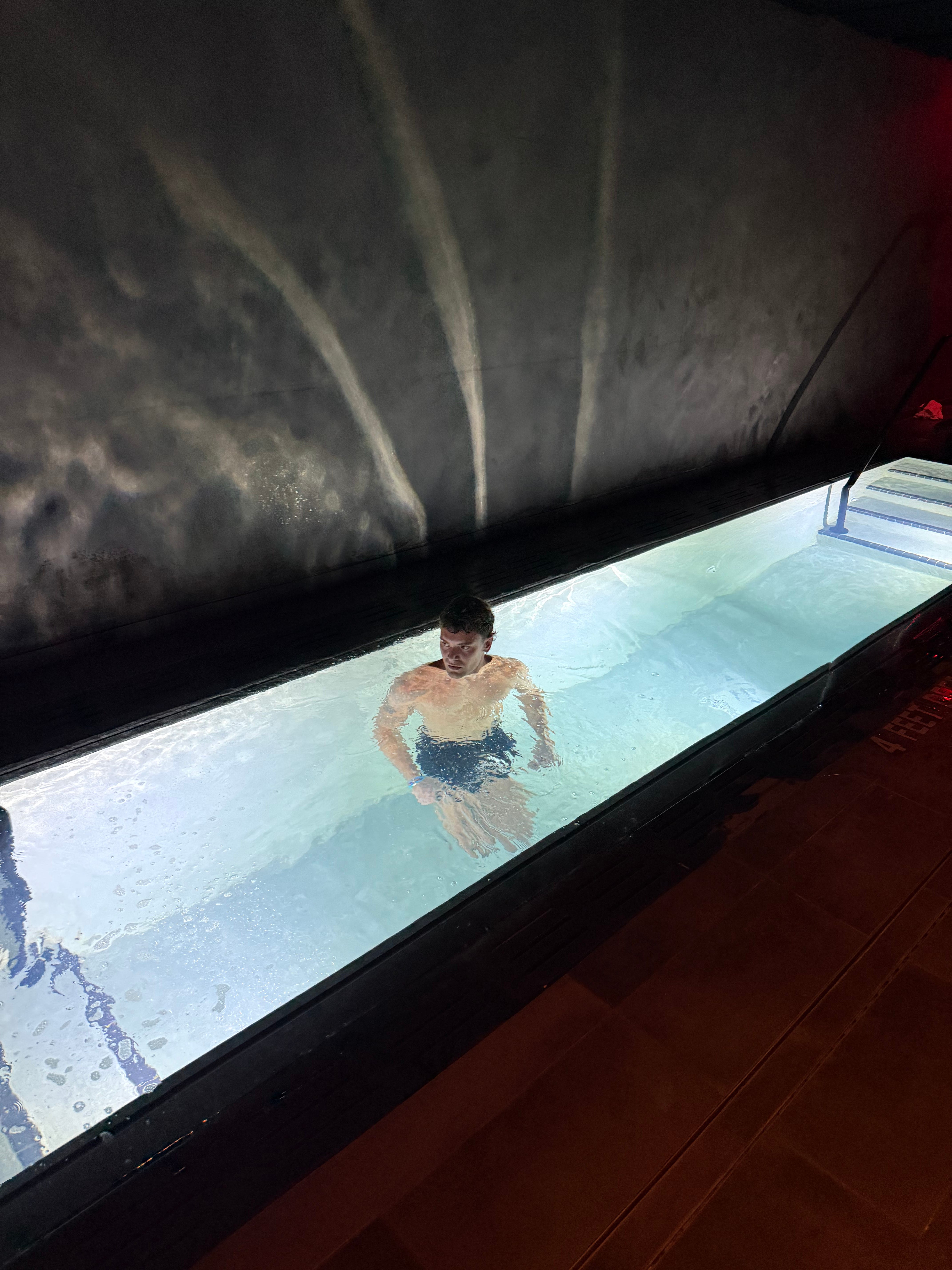
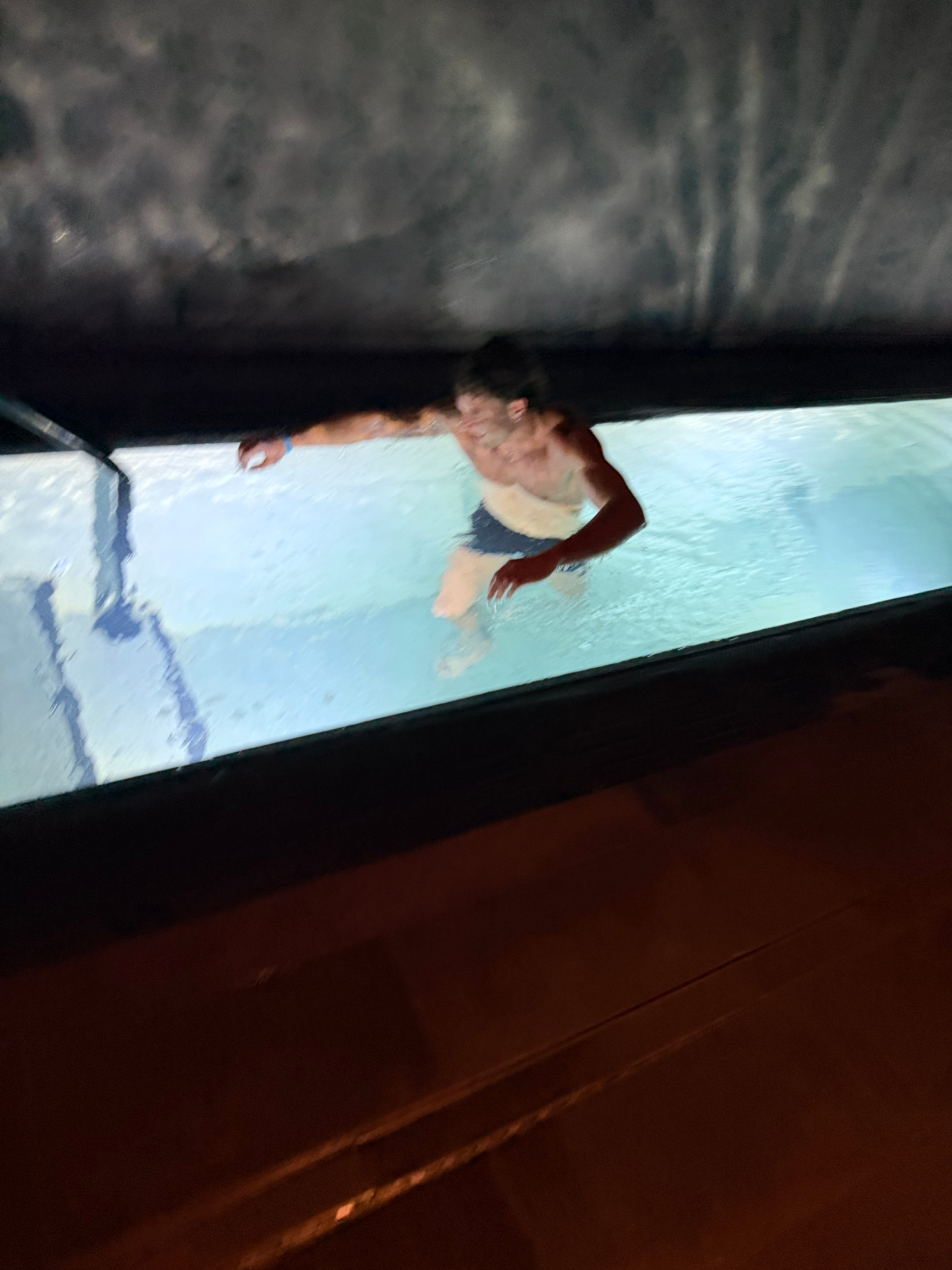
Ice baths, once cobbled-together torture chambers relegated to hardcore runners and other elite athletes, have become increasingly commonplace in the wide world of wellness. What began for me as a washed-out trash bin filled with ice and hose water after cross country practice in high school is now not only a trend, but a luxury. High-end bathing and recovery destinations like Bathhouse, Othership, and Bedrock command high daily entry fees and cater to creative directors more than marathoners. Even my therapist, after I routinely complain to him for 45 minutes, repeatedly recommends I just go dunk myself in some cold water.
Despite the widely accepted importance, or at least intrigue, of the ice bath, very little data gets thrown around in conversations about just how awesome or terrible it is to feel frozen. With a wide body of anecdotal evidence coming from people like finance MDs who haven’t touched a weight in decades and the fastest runners I know, I figured it was time to put some science to the stories and determine if there’s actual efficacy behind the possible placebo effect.
We’ll start by examining the bodily effects, then move on to the brain, and finish with potential social impacts.
One key piece of science you need to understand in order to develop an idea about the benefits of ice baths is that humans are warm-blooded animals, meaning we have internal systems that function to maintain a constant body temperature of around 98.6 degrees fahrenheit. An environment that challenges those systems, like a body of cold water, will inevitably cause a response that impacts both the body and the mind in measurable ways. The crux of our consideration is whether or not that response, or range of responses, produces any objective benefit. This may seem obvious, but I find it important to delineate due to the extent that ice baths have begun to be mythologized in current wellness discourse.
Body
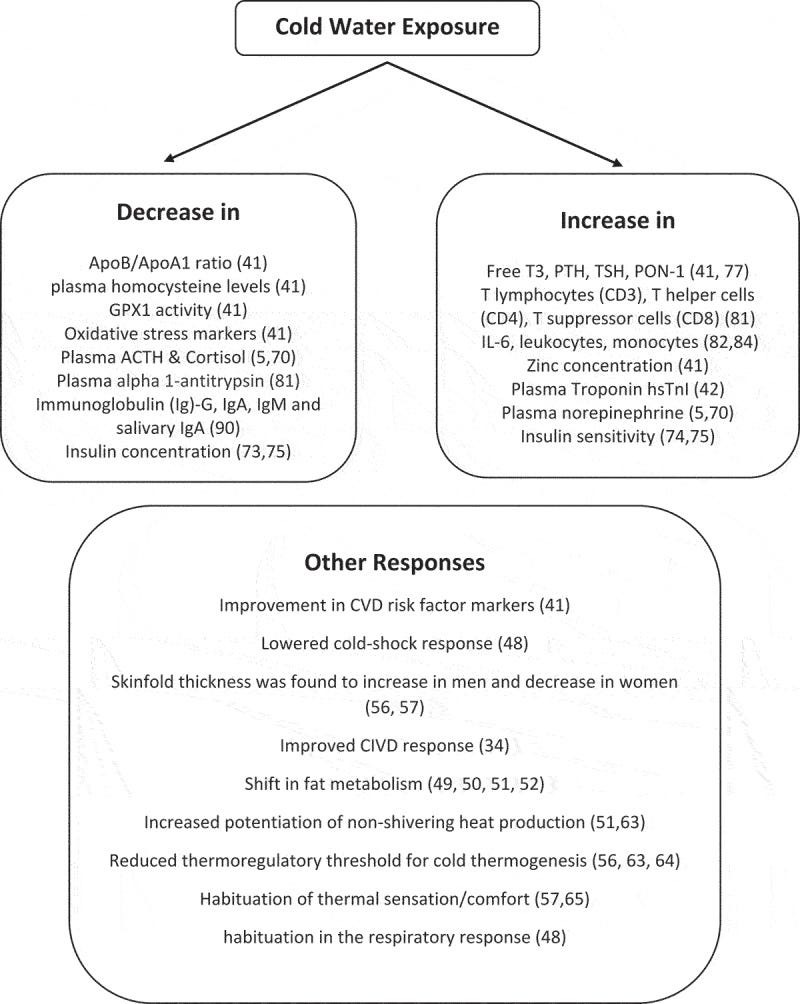
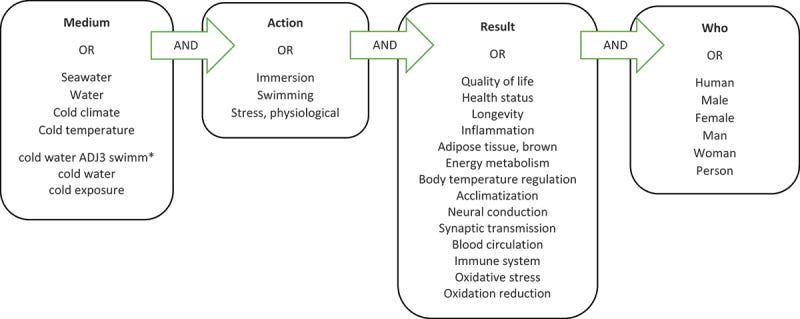
Focusing on the body, there was a recent review study out of Norway that answers a lot of the key questions regarding physiological responses to ice bath immersion. Review studies are a good place to look for this kind of information because they analyze data sets from multiple studies on the same subject. They’re not entirely free of bias or error, but they do a solid job at providing a large-scale view of the topic being discussed.
The researchers from Norway discussed a few main areas of effect from consistent cold exposure:
It can lead to the use of bodily energy by causing shivering and burning of brown fat. This can lead to a shift in fat metabolism and improvement in cardiovascular disease markers.
It can lead to positive hormonal responses.
It may have an effect on improving immune response.
Brown fat is burned to produce body heat without shivering and sounds like a key benefit, with the addendum that adult humans carry a small amount of brown fat as an energy storage backup for the purpose of thermoregulation, or body temperature maintenance. If your goal is fat loss, you’re actually dealing with white fat, which represents the vast majority of fatty tissue in the human body. There is evidence to support the idea that ice bath exposure catalyzing the loss of brown fat can lead to some white fat being converted to a form more similar to brown fat, queuing it up to potentially be burned off in the same way. This may have benefits for cardiovascular disease and diabetes, but needs further exploration. The potential benefits of ice baths are also exciting when it comes to the function of glucose and insulin, two major compounds when it comes to metabolic function. It’s possible that regular cold exposure via ice baths could improve insulin sensitivity and potentially function as prophylaxis for preventing dysfunction. This, like many areas mentioned in existing research, comes with a big footnote that it needs further study and lots of it. But preliminary analysis shows that it merits additional consideration, which means there could be something measurably beneficial there.
On the hormonal front, it’s been shown that cold exposure can lead to decreased levels of cortisol, the stress hormone, and increased levels of norepinephrine, a calming hormone. This could potentially assist in pain alleviation, but requires more study (you’ll get tired of reading that phrase at some point but it’s important to mention).
In terms of the immune system, it’s more of the same. Potential benefits, but vaguely outlined and only partially understood. This could be a major area to watch, though, as the immune improvements are related specifically to improved tolerance of stress and respiratory infections. Stress if the key note here, as physiological stress is related to a vast array of chronic and acute conditions. If the stress angle is further studied and turns out to be significant, I could see ice baths being regularly discussed as a cornerstone of physical health.
One additional note is that consistent cold exposure leads to interesting changes like thicker skin, lower cold shock response, increase in non-shivering heat production, and increased comfort in cold water both in terms of body temperature and respiration.
Mind
The mental side of things is particularly interesting. A recent study out of Bournemouth University found that not only does cold water immersion improve an individual’s mood, it actually increases brain connectivity between several large-scale neural networks. These two impacts are not necessarily related, but both are notable findings. In the aforementioned study from Norway, the researchers found studies showing that regular cold water immersion can help improve depressive symptoms. Additionally, they noted that increased plasma noradrenaline, beta-endorphin, and noradrenaline may have an effect on improving mental health at the physiological level.
Overall, ice baths have some sort of impact on mental health and certainly merit further investigation. I’m personally even more inclined to utilize them as part of my wellness routine for the potential mental benefits than for the physical ones.

Social
There’s one other angle to the upside of an ice bath that needs to be considered. Wellness, in the modern era, has become a kind of social capital. Your marathon time, recovery routine, and VO2max might not be as important as where you went to college, but they definitely factor into the conversation in the right (or wrong) rooms. One unexpected benefit of regularly taking ice baths is that it signals competence, grit, and self-care to other wellness-initiated individuals. Additionally, I’d argue that the bathhouse might just be the new golf course. You never know what kind of investors, mentors, and business partners you could meet on the walk from the aufguss to the torture pit (ice bath). This has not been thoroughly studied and is entirely anecdotal on my part, but I’ll personally posit that it’s worth a study or two.
Overall
The main note of detraction from ice baths is the fact that there is some inherent risk involved in taking them. Cold water immersion can have a range of impacts such as spiking the heart rate and leading to disorientation, and in extreme cases could cause serious cardiac events. Cold shock response was shown to be something that consistent cold water immersion can help someone become accustomed to, but there is still inherent danger at first, as well as in each exposure. For at-risk individuals, consultation with a doctor is essential.
One major consideration is that studies on cold exposure in humans often involve people who are aware of their health and take active steps toward enhancing or optimizing it. It’s possible that some benefits related to ice baths in the research could actually just be the result of an overall wellness-focused lifestyle. This is another reason that further study is needed to make any strong claims about the objective benefits of ice baths. It’s also important to note that not all of these studies focus on recreational ice bath users. Many also involve groups like cold-water swimmers, so the parameters of the activity are slightly different. Finally, it should be understood that different groups and individuals will likely take differently to the effects of cold exposure. There are differences among age groups, between males and females, and of course at the individual level as well.
Overall, the takeaway is essentially that ice baths offer vague but promising bodily, mental, and social benefits. Further research is needed in the field, but the fact that it’s worth the time and money it takes to do that work is favorable. It’s up to you to decide if the sheer physical discomfort is worth the potential upside. Personally, you’ll find me freezing my butt off on a semi-regular basis at Equinox and Bathhouse.
Citations:
Esperland D, de Weerd L, Mercer JB. Health effects of voluntary exposure to cold water - a continuing subject of debate. Int J Circumpolar Health. 2022 Dec;81(1):2111789. doi: 10.1080/22423982.2022.2111789. PMID: 36137565; PMCID: PMC9518606.
Yankouskaya A, Williamson R, Stacey C, Totman JJ, Massey H. Short-Term Head-Out Whole-Body Cold-Water Immersion Facilitates Positive Affect and Increases Interaction between Large-Scale Brain Networks. Biology (Basel). 2023 Jan 29;12(2):211. doi: 10.3390/biology12020211. PMID: 36829490; PMCID: PMC9953392.
Scott MC, Fuller S. The Effects of Intermittent Cold Exposure on Adipose Tissue. Int J Mol Sci. 2023 Dec 19;25(1):46. doi: 10.3390/ijms25010046. PMID: 38203217; PMCID: PMC10778965.
Images taken with permission at Bathhouse Flatiron
